
Berlin’s club culture has attracted people from all over the world and has become a defining part of the city’s cultural identity. In 2024, it was included in Germany’s UNESCO National List of Intangible Cultural Heritage, which points not only to its global influence, but also to the communities, histories, and movements that have shaped it over time.
At the Open Music Lab, this became a starting point to look a bit closer.
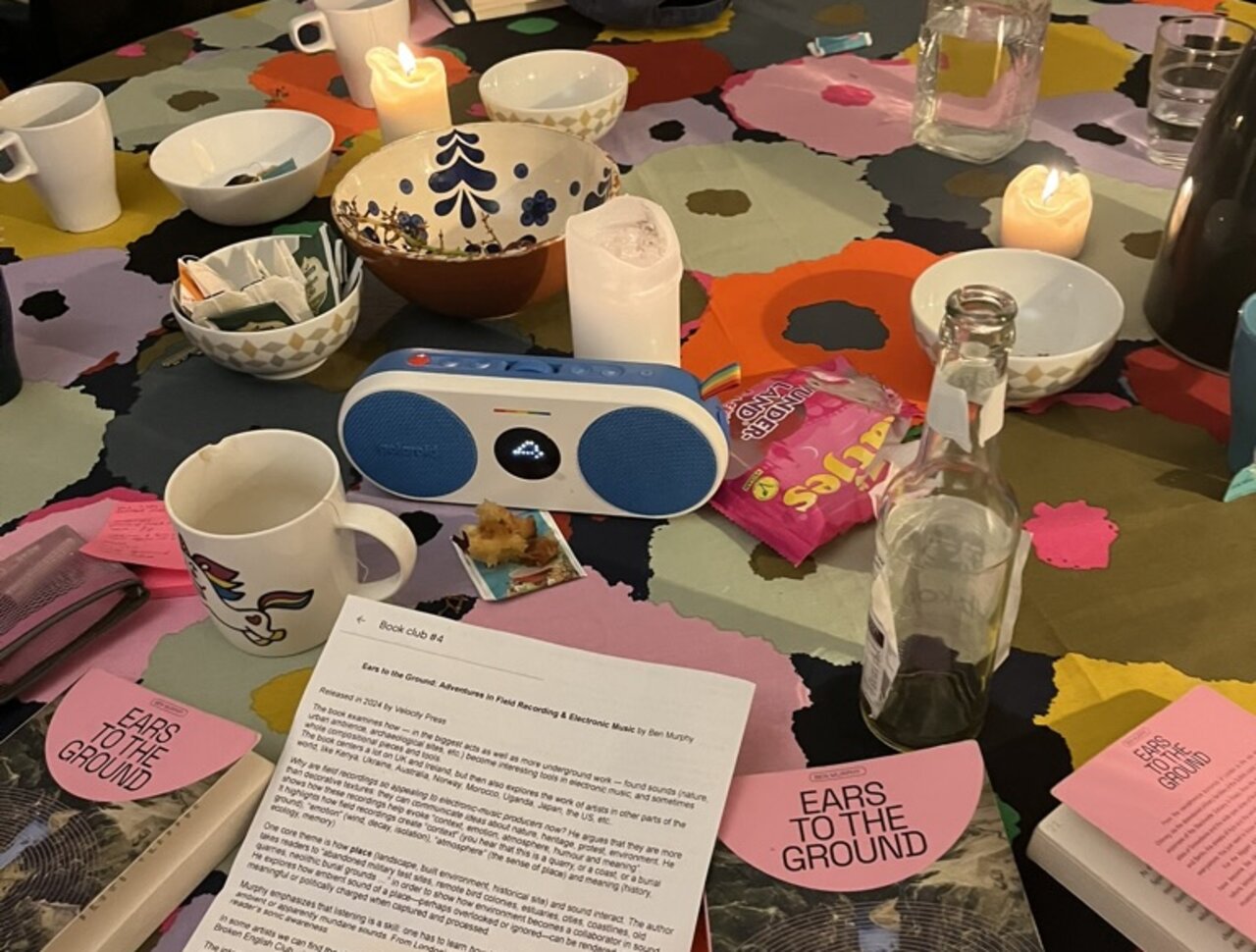
Since March 2025, we’ve been meeting every two months in small groups of around ten people to read and discuss books that approach club culture from different angles, from its historical roots to the social and political dimensions of dance, music, and sound. 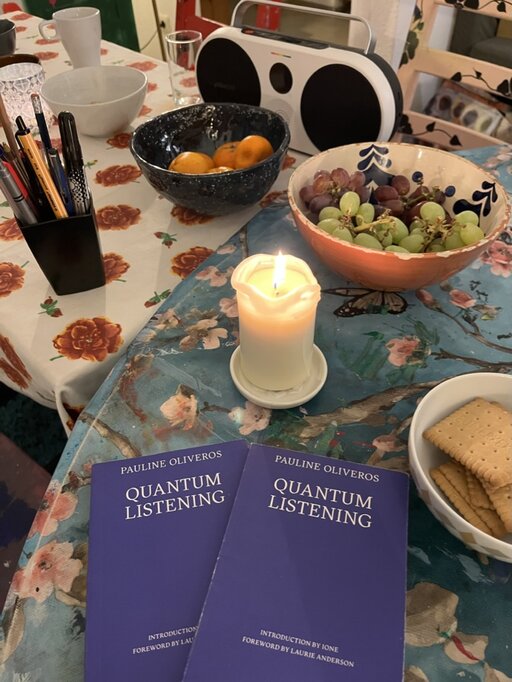
Across these conversations, a broader context begins to take shape. What is often framed today as “Berlin club culture” is deeply connected to movements that emerged elsewhere: techno in late 1980s Detroit, shaped by Black artists and working-class communities; electronic and dance scenes in New York, closely linked to queer spaces and ballroom culture, where dance became a form of expression, resistance, and belonging.
Berlin’s role developed later, particularly after the fall of the Wall, when vacant spaces and a city in transition created the conditions for these influences to evolve further. Artists, musicians, and communities from different contexts came together here, contributing to what would become one of the city’s most visible cultural landscapes.
At the same time, these histories also raise questions about visibility and continuity. Many of the scenes that shaped electronic music and club culture have roots in communities that are not always equally represented in how the culture is experienced today. Holding that awareness, and connecting what we do now to where it comes from, is part of what guides the bookclub.
One of the books that stayed with us is Dance Your Way Home: A Journey Through the Dancefloor by Emma Warren, which reflects on the dancefloor as a space of communication. It explores how movement can function as a shared language, creating collective experiences that cross generations and cultural backgrounds.
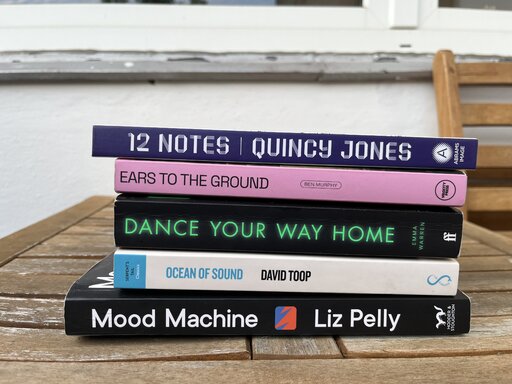
The sessions themselves are simple: small groups, a mix of familiar and new faces, and space for open conversation. Participants can also propose future readings, which we select together through our Telegram group. We usually have one or two copies available in the office for borrowing.
During our next session, we will discuss 12 Notes: On Life and Creativity by Quincy Jones, this time tackling topics of creativity, life, and the pursuit of excellence through practical advice and heartfelt lessons on transforming grief into power, setting meaningful goals, and embracing daily affirmations. The session will take place on 27 May in our Project Space, and new participants are always welcome. And to be updated and participate in the discussion for the next books, you can join our Telegram here!