
Loneliness is a pressing issue worldwide, and Germany is no exception. Many recent studies are highlighting how isolated we are becoming from one another. According to the Federal Statistical Office, approximately 12.2 million individuals aged 10 and above frequently experience loneliness, accounting for one in every six people in this age group. What is further concerning about this trend is that it affects all age demographics— with a quarter of young adults aged 18 to 29 often feeling disconnected, and one in five people over 75 reporting moments of isolation, with those over 80 at particular risk of social exclusion.
While the rise of loneliness on a personal level is troubling, it also has harmful implications for the health of our society. The “Extrem Einsam” (“Extremely Lonely”) study, part of the Kollekt project funded by the Federal Family Affairs Ministry, suggests that loneliness can foster anti-democratic attitudes, populism, belief in conspiracy theories, and authoritarian tendencies. Furthermore, less than half of young people surveyed believe the democratic system functions well in Germany, and even fewer think politicians can meet future challenges. This study highlights a connection that holds great implications for our country and beyond: the lonelier we are as a society, the more we feel disconnected from it, reducing our political participation in activities like voting or advocacy, making us more vulnerable to extremism. The 2019 Shell Youth Study revealed that roughly one-third of young people have a propensity toward right-wing populism in their attitudes. These beliefs thrive in the absence of meaningful connections and relationships with people from diverse backgrounds. Therefore, an important tool for combatting this concerning trend is to promote active participation within civil society.
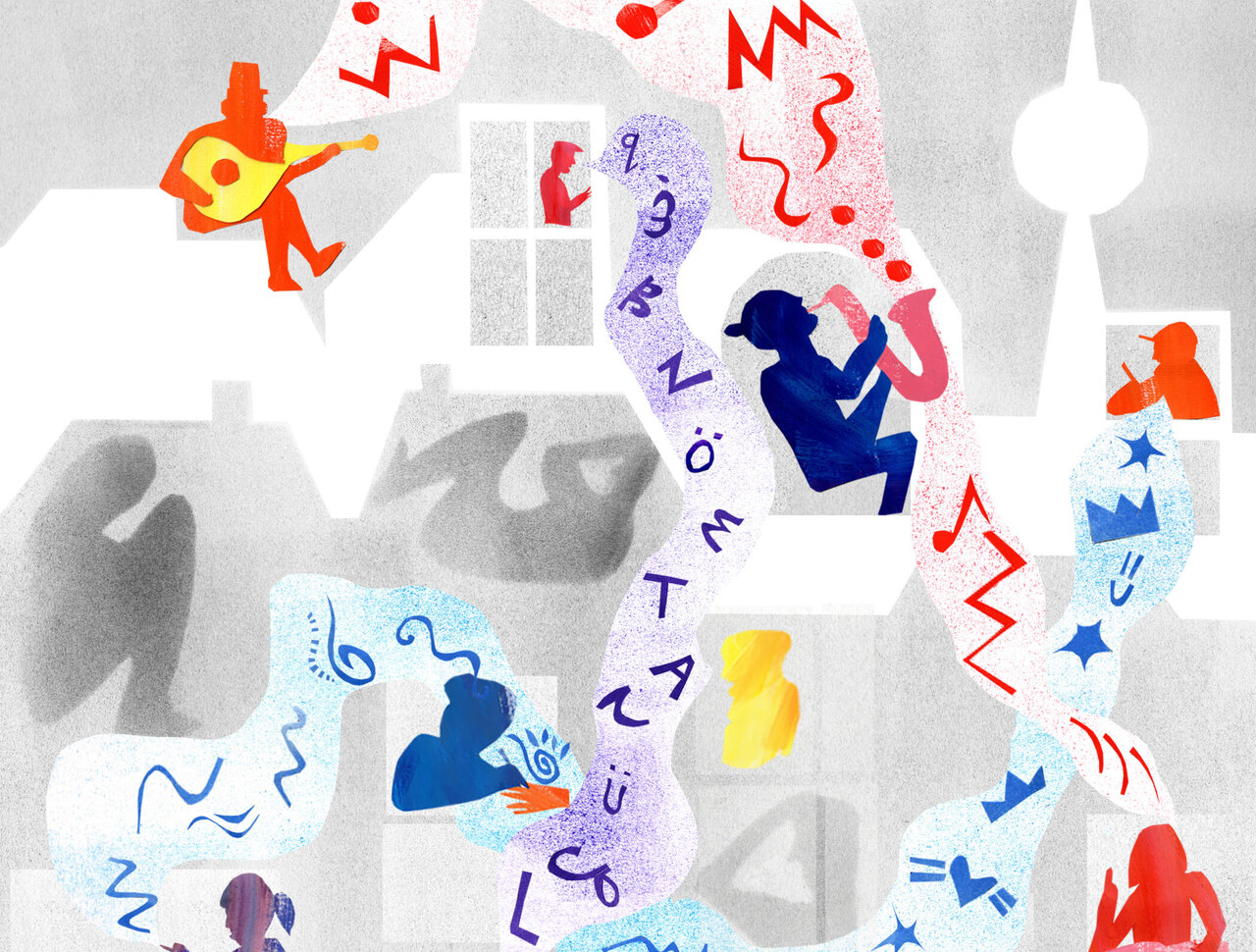
(image: file://h0a6adycjocrmm47 caption: Illustration by Stephanie Gillespie)Data released from the Global State of Democracy Indices reveals that civil society participation, including consultation in decision-making, is crucial for democracy and local development. Social participation can also serve as a substitute for lacking political inclusion, especially for immigrants who may be deprived of voting rights. Participation in society can take many forms, from voting to engaging in community projects like gardens and mutual aid efforts. What’s crucial to fostering this participation is the creation of spaces where community building can thrive. By cultivating these spaces and opportunities for interaction, we can work toward including people from all walks of life, ultimately fostering a healthier, more vibrant society. This approach not only amplifies marginalised voices that lack political representation but also promotes social integration and helps combat extremism.
After countless research and studies highlighting the problem of loneliness in our society and the danger it poses, it can feel daunting and as if there are no simple solutions to our increasingly polarised and divided world. However, there are small ways to incrementally heal the damage this trend has been causing to our city and Germany at large.
Since our founding, GSBTB has combatted this loneliness through a simple solution: community. From the Open Music School and multicultural language cafés to Open Art Space, GSBTB’s goal is to create third spaces where meaningful connections can be made and flourish. Through this incremental, step-by-step approach, community is formed, ultimately combating the problem of loneliness that plagues many of us.
While GSBTB’s activities may seem simple and are largely based on engaging in fun and creative activities with people you might not meet in your day-to-day life, these gatherings offer opportunities for individuals to share their stories, learn from each other, and form lasting bonds. These relationships impact not only the lives of participants, but also the overall fabric of the city. Less lonely people mean more people committed to promoting inclusivity and diversity through advocacy, skill-building, and effective communication. By empowering the Berlin community in this way, we aim to dismantle stereotypes and cultivate a more inclusive society where everyone feels welcomed and connected.
GSBTB’s approach addresses loneliness and social isolation by establishing supportive spaces and promoting active participation in our city. Each event is an opportunity to tangibly impact our society and therefore feel more connected to the bones of the city itself as well as to each other. This ultimately allows us to help break down societal barriers and fosters genuine relationships. Furthermore, within these spaces one gets the rare opportunity to form genuine bonds with those you would have never interacted with in your day-to-day life, offering a more dynamic view of our society. The values of diversity and inclusivity that are integral to our organisation are also crucial for social cohesion, improving quality of life, economic growth, and ultimately the health of our society and democracy.
Most importantly, GSBTB’s approach to community cultivation and social cohesion helps counter the rise of extreme right-wing and populist ideals. By bringing together people from diverse backgrounds—migrants, refugees, and locals alike—in welcoming spaces where meaningful relationships can flourish, the organisation fosters connections across different demographics. Loneliness and extremism often share a common root: a lack of communication and community. By taking small steps—like having more conversations and forming friendships with people from outside our direct bubble—we can better understand the variety of needs in our society and, in turn, enhance our social and political participation. This is especially important for those from marginalised backgrounds who may lack the ability to voice their needs through political channels. By encouraging cross-cultural, cross-generational, and cross-socioeconomic interactions, we can better advocate for the needs of all, helping everyone feel more connected to the society around us and ultimately creating a more inclusive and welcoming community. Whether it’s engaging in a conversation at a language café or picking up a guitar for the first time at the Open Music School, it is these small, incremental, and seemingly insignificant acts that contribute to building a vibrant community and combating the loneliness epidemic.
Loneliness holds profound implications for our mental well-being, our democracy, and civil society at large. We at GSBTB aspire to address this epidemic by fostering community, connection, and inclusivity. By creating spaces where everyone can participate and feel valued, GSBTB not only helps individuals combat loneliness but also strengthens the fabric of society. It is through the small, simple acts of creativity, joy, and friendship that we can combat these large, sprawling problems that sometimes feel overwhelming and suffocating. Every conversation shared at the language café or paintbrush picked up at Open Art Space brings more people into our lives, creating a healthier, happier Berlin, and leaving us all a little less lonely than we were yesterday.