
Losar, the Tibetan New Year, is more than a change of date on the calendar. From a traditional Tibetan point of view, it is a time when the outer world and the inner world are both renewed - when households, communities, and even one’s intentions for the coming year are cleansed and reset. Losar usually falls sometime between February and early March, according to the Tibetan lunar calendar, and the celebrations can last for several days, sometimes even weeks, depending on the region and the family.
Traditionally, preparations begin well before the first day of Losar. Homes are thoroughly cleaned to remove the “old year’s” obstacles and negativity, and special foods are prepared in advance. One of the most important days is Gutor, the second last day before Losar, which is dedicated to purification. On this day, families perform rituals to expel bad luck and harmful influences from the past year. In many homes, a special soup called guthuk is eaten in the evening. Inside the dumplings are symbolic items -chili, wool, charcoal, or rice- that are meant to playfully reflect a person’s character. Laughter is an important part of this ritual; humor itself is seen as a way of loosening the weight of the past year.
On Losar morning, people traditionally wake early, put on their best chuba (traditional Tibetan dress), and make offerings on the household altar. Butter lamps are lit, incense is burned, and prayers are offered for health, harmony, and good fortune. The first day is often reserved for close family, while visits to friends, neighbors, and monasteries happen in the days that follow. There is a strong emphasis on auspiciousness - speaking kindly, thinking positively, and beginning the year with generosity.
Some of my favorite Losar traditions are the small, intimate ones that happen inside the home. I love the careful preparation of the altar with fresh chemar (a mixture of roasted barley flour and butter), dried fruits, and butter sculptures. I also cherish the act of offering the first cup of tea or chang to the shrine before anyone drinks. These gestures may seem simple, but they carry a deep sense of continuity - doing the same actions that generations before us have done. Over time, many families also create new traditions. In exile or diaspora, these might include gathering friends who are far from their own families, sharing meals that blend Tibetan and local foods, or holding community Losar events to recreate a sense of togetherness.
When I think of Losar from childhood, what comes most strongly to mind is the atmosphere rather than a single event. There is a particular smell of incense mixed with freshly cooked khapse (deep-fried pastries), the sound of elders chanting prayers early in the morning, and the feeling that time has slowed down. One of my favorite memories is sitting quietly while my parents and grandparents prepared offerings, feeling that Losar was something sacred and joyful at the same time. Even the cold winter air felt different - crisper, full of promise.
Food plays a central role in Losar celebrations. Traditionally, families prepare khapse, sweet rice, meat dishes, and special breads days in advance. On Losar itself, the meals are abundant, symbolizing prosperity and generosity for the year ahead. In many households, the women - often mothers and grandmothers - take the lead in preparing the food, though everyone helps in some way. Cooking together is itself a form of bonding, and recipes are often passed down orally, carrying family history along with flavor.
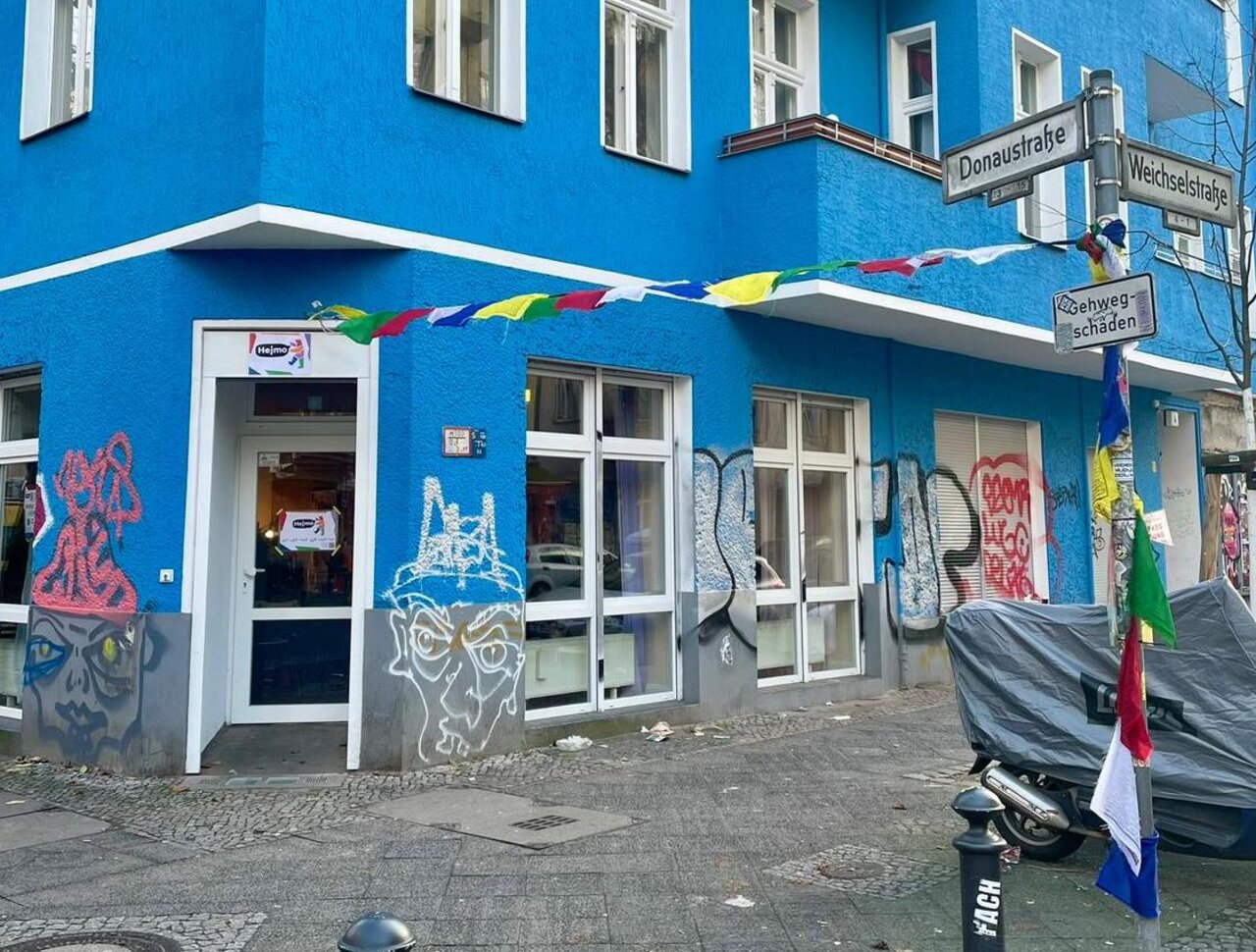
For Tibetans living outside Tibet, including those who have settled in cities like Berlin, Losar inevitably changes in form, though not in meaning. Work schedules, smaller living spaces, and distance from extended family can make traditional celebrations more challenging. Yet these limitations often make the celebration more intentional. Even if one cannot take days off or prepare everything traditionally, lighting a butter lamp, cooking one special dish, or gathering with other Tibetans becomes deeply meaningful. In exile, Losar can feel both joyful and bittersweet - a reminder of home and a reaffirmation of identity in a foreign land.
In this sense, celebrating Losar can also be understood as a political act, even if it is not experienced that way on a daily basis. Preserving language, rituals, and customs in the face of displacement and cultural suppression carries political weight. Simply continuing to celebrate Losar, teaching children its meaning, and marking time according to the Tibetan calendar can be an act of quiet resistance and survival. It says: we are still here.
There is a noticeable difference between how Losar is celebrated inside Tibet and in exile communities. In Tibet, celebrations are rooted in place - specific landscapes, monasteries, and local customs shape the festivities. In exile, Losar often becomes more explicitly tied to cultural preservation and community-building. Public celebrations, cultural performances, and political speeches may play a larger role. While the outer form may change, the heart of Losar -the wish for renewal, compassion, and continuity- remains the same.
Ultimately, from a traditional Tibetan perspective, Losar is not just about welcoming a new year. It is about remembering who we are, honoring where we come from, and carrying those values forward, no matter where in the world we find ourselves.